
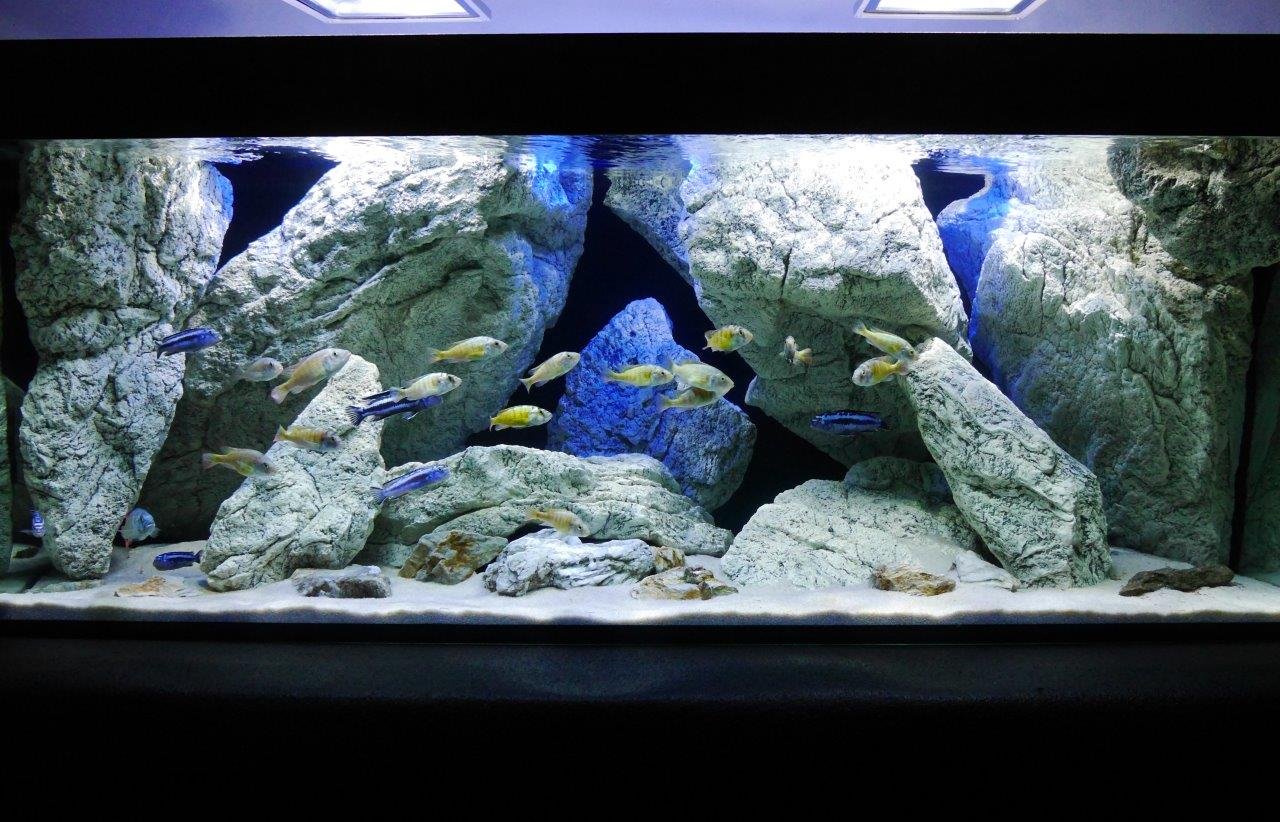
If you’ve noticed your cichlid spending most of its time hiding behind rocks, under decorations, or at the bottom of the tank, you’re not alone. This is one of the most common questions aquarium owners ask — and the good news is, most causes are completely fixable.
In this guide, you’ll learn the 7 most common reasons why cichlids hide, how to identify each one, and exactly what to do about it.
Is It Normal for Cichlids to Hide?
Some hiding is completely normal. Cichlids are naturally territorial fish, and they often claim a cave, rock, or corner as their home base. This kind of occasional hiding is healthy behavior.
The problem starts when your cichlid is hiding constantly, refusing to eat, or showing signs of stress like faded colors or clamped fins. That’s when you need to investigate.
7 Reasons Why Your Cichlid Is Hiding
1. It’s New to the Tank
This is the #1 most common reason, especially if you just brought your cichlid home within the last few days.
Moving to a new aquarium is extremely stressful for fish. Everything is unfamiliar — the water, the smells, the other fish, the lighting. Your cichlid is simply hiding until it feels safe enough to explore.
What to do:
- Give it at least 5–7 days to adjust before worrying
- Do not tap the glass or disturb the tank
- Keep the lights dimmed for the first 48 hours
- Don’t try to force it out of hiding
Pro Tip: Skip feeding for the first 24 hours after adding a new cichlid. This reduces stress and waste buildup in the water.
Poor Water Quality
Bad water is one of the most serious causes of hiding in cichlids. When ammonia, nitrite, or nitrate levels are off, fish feel sick and retreat to hiding spots.
Warning signs alongside hiding:
- Gasping at the surface
- Rapid gill movement
- Pale or dull colors
Ideal water parameters for cichlids:
| Parameter | Ideal Range |
|---|---|
| Ammonia | 0 ppm |
| Nitrite | 0 ppm |
| Nitrate | Under 40 ppm |
| pH (African cichlids) | 7.8 – 8.5 |
| pH (South American cichlids) | 6.5 – 7.5 |
| Temperature | 76°F – 82°F (24°C – 28°C) |
What to do:
- Test your water immediately with a liquid test kit
- Do a 25–30% water change if levels are off
- Check that your filter is running properly and is the right size for your tank
Bullying and Aggression From Tank Mates
Cichlids are known for being aggressive — especially with other cichlids. If a dominant fish is bullying a weaker one, the bullied fish will hide constantly to avoid being attacked.
Signs of bullying:
- Torn fins or bite marks on the hiding fish
- One fish chasing others repeatedly
- The hiding fish only comes out during feeding, then retreats immediately
What to do:
- Rearrange the decorations and rocks — this breaks up established territories
- Add more hiding spots so the weaker fish has escape routes
- If one fish is extremely aggressive, consider separating it with a tank divider
- Check your stocking list — not all cichlids are compatible with each other
Stress from Overcrowding
Too many fish in a small tank causes constant stress. Cichlids are territorial by nature, and when there’s not enough space, they feel threatened at all times.
General tank size guidelines:
- Small cichlids (under 4 inches) → minimum 30 gallons
- Medium cichlids (4–6 inches) → minimum 55 gallons
- Large cichlids (over 6 inches) → minimum 75–125 gallons
What to do:
- Reduce the number of fish if overcrowded
- Upgrade to a larger tank
- Ensure each cichlid has its own defined territory with rocks or caves
Sickness or Disease
A sick cichlid will almost always hide. Fish instinctively hide when they are unwell — it’s a survival behavior from the wild, where a weak fish is a target for predators.
Signs your cichlid may be sick:
- White spots on the body or fins (Ich)
- Bloated belly
- Clamped fins pressed flat against the body
- Rapid or labored breathing
- Not eating for more than 3–4 days
Common cichlid diseases:
| Disease | Symptom | Treatment |
|---|---|---|
| Ich (White Spot) | White specks on body | Raise temp to 86°F + Ich medication |
| Malawi Bloat | Swollen belly | Metronidazole treatment |
| Fin Rot | Ragged, decaying fins | Clean water + antibacterial medication |
| Swim Bladder Disorder | Swimming sideways or vertically | Fast 2–3 days, then feed peas |
What to do:
- Observe carefully for 24 hours and note all symptoms
- Test water quality first — bad water is often the root cause of disease
- Treat with the appropriate medication in a quarantine tank if possible
Breeding Behavior
Here’s a reason many fish owners don’t expect — hiding can actually be a sign of healthy breeding behavior.
Female cichlids often hide when they are holding eggs or fry in their mouths (mouthbrooding). During this time, she will avoid food and stay hidden until the babies are ready — which can take 2–4 weeks.
How to tell if it’s breeding:
- You can see eggs on a flat rock or in a cave
- The female’s throat area looks swollen or lumpy
- Hiding started suddenly after a male and female were frequently interacting
What to do:
- Leave them alone as much as possible
- Reduce water changes to once a week
- Provide extra hiding spots for the female
- Consider separating the female into a nursery tank when fry are visible
Lighting Is Too Bright
Bright overhead lighting can stress cichlids and cause them to hide. In their natural habitat, cichlids live in rocky lake environments with varied light and shade. A tank with harsh, constant bright light gives them nowhere to feel safe.
What to do:
- Add floating plants or tall plants to create shaded areas
- Use a timer to give your fish 10–12 hours of light and 12–14 hours of darkness
- Add more rocks and caves so fish can escape bright areas
Quick Diagnosis Checklist
- Is the fish newly added to the tank? → Wait 5–7 days
- Have you tested your water today? → Test now
- Is any other fish chasing or nipping it? → Check for bullying
- Is the tank overcrowded? → Check stocking levels
- Does the fish have white spots, bloating, or torn fins? → Check for disease
- Is the female’s mouth swollen? → Possible mouthbrooding
- Is your tank light very bright with no shade? → Add plants or caves
When Should You Be Seriously Worried?
Most hiding is temporary and resolves within a week. However, contact a fish specialist if:
- Your cichlid has not eaten in more than 5 days
- You see visible physical symptoms like bloating, spots, or fin damage
- Multiple fish are hiding at the same time
- Your fish is lying on the bottom and barely moving
Final Thoughts
A hiding cichlid is almost always trying to tell you something. The most common causes — new tank stress, bad water quality, and bullying — are all fixable once you know what to look for. Start with a water test, observe tank dynamics, and give your fish time to adjust.
With the right tank setup, clean water, and compatible tank mates, your cichlid will feel confident enough to come out and show off its beautiful colors.
Did this help? Drop a comment below and tell us why your cichlid was hiding and what fixed it!
 Admin
Admin