
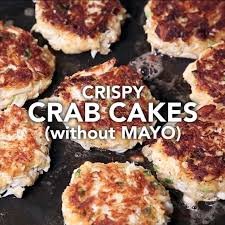
Most traditional crab cake recipes call for mayonnaise — and most people who make them wonder whether it is actually necessary. The short answer is no. You absolutely can make incredible crab cakes without mayo, and many chefs and home cooks argue that skipping it actually produces a better result.
Mayo dulls the natural sweetness of crab. By removing it, the crab gets to be the unquestionable star of the dish — which is exactly what it should be when you are spending good money on quality crabmeat.
This complete guide gives you three different no-mayo crab cake recipes — a classic baked version, a pan-fried stovetop version, and a keto-friendly option — along with every tip and trick you need to make crab cakes that hold together perfectly and taste genuinely outstanding.
What Does Mayo Actually Do in Crab Cakes?
Before we dive into the recipes, it helps to understand what mayo is doing in traditional crab cake recipes — because once you know its purpose, finding the right substitute becomes straightforward.
Mayo serves two main functions in a classic crab cake recipe:
Moisture and richness: Mayo adds fat and creaminess that keeps the interior of the crab cake moist and tender during cooking.
Binding: Mayo helps hold the ingredients together alongside the egg, preventing the crab cakes from falling apart when shaped or cooked.
The good news is that both of these functions can be achieved with other ingredients that actually enhance the crab flavour rather than muting it. Using reduced cream instead of mayo creates a richer, silkier binder that enhances the sweetness of the crab rather than smothering it.
What to Use Instead of Mayo in Crab Cakes
Here are the best mayo substitutes — each brings something slightly different to the final result:
For most home cooks, the best approach is to use eggs as the primary binder with Dijon mustard for flavour, and add a small amount of sour cream or Greek yoghurt if you want the richness that mayo usually provides.
The Most Important Rule Before You Start
No matter which recipe you choose, this rule applies to every single crab cake you will ever make:
Always refrigerate your crab mixture before cooking — minimum 30 minutes, ideally 1 hour.
Since most no-mayo recipes use very little filler, the crab mixture needs to be thoroughly chilled before shaping into cakes. Cold crab cakes hold their shape dramatically better in the pan or oven. Skipping this step is the most common reason crab cakes fall apart during cooking.
Choosing the Right Crabmeat
The type of crabmeat you use makes an enormous difference to the final result.
For the best crab cakes, jumbo lump or lump crabmeat is strongly recommended. The goal is crab cakes that taste like crab — and using inferior crabmeat undermines every other effort you make in the recipe.
Always pick through your crabmeat carefully before adding it to the mixture. Even packaged crabmeat sometimes contains small shell fragments that you absolutely do not want in the finished dish.
Pan-fried crab cakes develop a deeply golden, crispy crust that baked versions cannot quite replicate. This method uses clarified butter for cooking — which gives a richer flavour and higher smoke point than regular butter.
This version removes both mayo and breadcrumbs — making it suitable for keto, low-carb, and gluten-free diets. Without breadcrumbs as a binder, the egg and mustard do all the work, and the result is a crab cake that is almost entirely crab.
Why egg whites? Egg whites act as an additional binder alongside the whole egg. Without breadcrumbs to absorb moisture and provide structure, the extra white adds firmness that keeps the cakes together during cooking.
Why Parmesan? Parmesan is finely grated and virtually melts into the mixture — acting as a very effective low-carb binder that adds a subtle savoury depth without noticeable cheese flavour in the finished cake.
Step by Step Instructions
Step 1:
In a large bowl, whisk together the whole egg, egg whites, Dijon mustard, Worcestershire sauce, Old Bay seasoning, garlic powder, lemon juice, salt, and pepper.
Step 2:
Add the Parmesan and parsley and stir to combine.
Step 3:
Fold in the crabmeat very gently — with minimal fillers, keeping the crab lumps intact is even more important in this version.
Step 4:
Refrigerate for a minimum of 1 hour — this version needs longer chilling than the others because it has less structural support from breadcrumbs.
Step 5:
Heat olive oil in a non-stick pan over medium heat. Shape the mixture into patties with damp hands and cook for 4 to 5 minutes per side until golden and cooked through.
Step 6:
Serve with keto-friendly tartar sauce or a simple lemon and herb dipping sauce.
Best Dipping Sauces for No-Mayo Crab Cakes
Classic Remoulade Sauce:
- ½ cup sour cream or Greek yoghurt
- 1 tablespoon Dijon mustard
- 1 tablespoon fresh lemon juice
- 1 teaspoon capers, finely chopped
- 1 teaspoon fresh parsley
- ½ teaspoon Old Bay seasoning
- Salt and pepper to taste
Lemon Herb Dipping Sauce:
- Juice of 1 lemon
- 3 tablespoons olive oil
- 1 tablespoon fresh dill or parsley
- 1 garlic clove, minced
- Salt and pepper
Spicy Sriracha Dipping Sauce:
- 3 tablespoons sour cream
- 1 tablespoon sriracha
- 1 teaspoon lemon juice
- Pinch of garlic powder
Simple Cocktail Sauce:
- ½ cup ketchup
- 2 tablespoons horseradish
- 1 tablespoon lemon juice
- Dash of Worcestershire sauce
Tips for Crab Cakes That Never Fall Apart
Use the right crabmeat: Jumbo lump or lump crabmeat has the best structure. Claw meat is more shredded and makes it harder to form cohesive cakes.
Do not over-mix: Fold gently. Over-mixing breaks up the crab lumps and creates a paste-like texture rather than the chunky, textural result you want.
Chill thoroughly: The single most important step. Cold mixture holds together. Room-temperature mixture falls apart. Always refrigerate for at least 30 minutes — ideally longer.
Use damp hands when shaping: Wetting your hands slightly prevents the mixture from sticking and makes shaping much easier and cleaner.
Do not move them during cooking: Once you place a crab cake in the pan or the oven, leave it alone. Moving them before they have formed a crust on the underside causes them to break apart.
Do not make them too thin: A crab cake that is too thin dries out quickly during cooking. Aim for about 1 inch thick — this gives you a beautifully moist interior with a golden crust on both sides.
Size matters for even cooking: Make all your crab cakes the same size and thickness. Inconsistent sizing means some will be overcooked while others are still raw in the centre.
Frequently Asked Questions
Can I make no-mayo crab cakes ahead of time?
Yes — the mixture can be made and refrigerated for up to 24 hours before shaping and cooking. Shaped uncooked crab cakes can also be refrigerated for up to 8 hours before cooking. This actually improves the binding as the mixture firms up further.
Can I freeze crab cakes without mayo?
Yes — shape the uncooked crab cakes, place them on a parchment-lined tray, and freeze until solid. Then transfer to a freezer bag and freeze for up to 3 months. Cook from frozen by adding 5 to 7 extra minutes to the cooking time.
Why do my crab cakes keep falling apart?
The most likely reasons are not enough chilling time, too little binder, over-mixing, or moving the cakes too early during cooking. Make sure the mixture is very cold before cooking and resist touching the cakes until a proper crust has formed.
Can I use imitation crab?
Imitation crab has a very different texture from real crabmeat and does not work well in these recipes. The texture is softer and more stringy, and it lacks the natural sweetness and flavour of real crab.
What is the best crabmeat for crab cakes?
Jumbo lump crabmeat gives the most visually impressive result with the best flavour. Lump crabmeat is an excellent, slightly more affordable alternative. Both are far superior to claw meat or imitation crab for crab cakes.
Final Thoughts
Crab cakes without mayo are not a compromise — they are actually better. When mayo is removed from the equation, the natural sweetness and delicate flavour of the crabmeat comes forward completely, resulting in crab cakes that taste unmistakably and beautifully of crab.
Whether you go for the classic baked version with Ritz cracker crumbs, the pan-fried version with sour cream, or the keto version with Parmesan and egg whites — the key principles are always the same: use the best crabmeat you can find, fold gently, chill thoroughly, and let the crab be the star.