
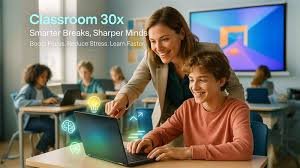
Introduction to the Classroom 30x Concept
Imagine stepping into a classroom where the energy is palpable, creativity flows freely, and learning feels like an exciting adventure. This isn’t just a dream; it’s what the Classroom 30x concept aims to achieve. Designed to transform traditional teaching methods, Classroom 30x empowers both educators and students by creating an engaging environment that fosters collaboration, critical thinking, and innovation. As classrooms evolve with technology and modern pedagogical approaches, understanding this progressive model becomes essential for every teacher dedicated to enhancing their educational impact. Let’s dive deeper into what Classroom 30x means and how it can revolutionize your teaching experience!
The Origins and Purpose of Classroom 30x
The Classroom 30x concept emerged from a need to adapt education for the modern world. It recognizes that traditional teaching methods often fall short in engaging today’s tech-savvy learners.
Developed by forward-thinking educators, this approach emphasizes personalized learning experiences. The goal is to foster deeper understanding and retention of information.
Classroom 30x encourages collaboration among students, promoting teamwork and communication skills essential for their future careers. This model also integrates technology seamlessly into daily lessons, enhancing accessibility and interactivity.
By emphasizing real-world applications, it prepares students not just academically but socially as well. The focus shifts from rote memorization to critical thinking and problem-solving abilities vital in various life situations.
The purpose behind Classroom 30x is clear: create an environment where every student can thrive on their own terms while being part of a supportive community.
Key Elements of a Classroom 30x Environment
A Classroom 30x environment thrives on collaboration. Students engage in teamwork, sharing ideas and strategies. This interaction fosters critical thinking and creativity.
Flexibility is another cornerstone. Desks can be rearranged for group work or individual focus. An adaptable space encourages movement, allowing learners to find what works best for them.
Technology integration plays a vital role as well. Incorporating digital tools enhances learning experiences, making information accessible and engaging. Interactive whiteboards or tablets can transform lessons into dynamic adventures.
An inclusive atmosphere is essential too. Every student should feel valued and heard, regardless of their background or abilities. Celebrating diversity enriches discussions and broadens perspectives.
Personalized learning paths cater to individual needs. Tailored instruction helps every learner progress at their own pace, ensuring no one gets left behind in the journey toward success.
Benefits for Students and Teachers
Classroom 30x offers numerous advantages for both students and teachers. For students, this approach fosters an engaging and dynamic learning environment. It encourages active participation, promoting deeper understanding of concepts.
Teachers also benefit greatly from Classroom 30x. This model allows them to tailor their lessons to diverse learning styles, ensuring that every student can thrive. The flexibility inherent in the design helps educators experiment with innovative teaching methods.
Additionally, collaboration becomes a natural part of classroom life. Students learn to work together on projects and share ideas freely, enhancing social skills alongside academic ones.
The focus on real-world applications prepares students for future challenges too. They gain practical knowledge that extends beyond textbooks, making learning relevant and exciting.
These benefits create a vibrant atmosphere where everyone feels valued and motivated to succeed.
Challenges and Solutions for Implementing Classroom 30x
Implementing Classroom 30x can be met with various challenges. One significant hurdle is resistance to change from both educators and students. Many are accustomed to traditional teaching methods, making it hard for them to embrace a new approach.
Another challenge lies in resource availability. Schools may lack the necessary tools or technology that supports an interactive learning environment. This gap can hinder the effectiveness of a Classroom 30x setup.
Training is also crucial yet often overlooked. Educators need comprehensive professional development to fully understand how to implement this model effectively.
To address these issues, open dialogue among staff fosters acceptance of new practices. Collaboration encourages innovation and shared ownership of the transition process.
Investing in training sessions equips teachers with actionable skills while gradually integrating technology into lessons ensures resources are effectively utilized without overwhelming anyone involved.
Success Stories and Examples of Classroom 30x in Action
Teachers around the globe are embracing the Classroom 30x model, and success stories abound. One standout example is a high school in San Diego that transformed its traditional setup into an interactive learning hub.
Students engage with hands-on projects that encourage collaboration. They work together to solve real-world problems, boosting their critical thinking skills. The shift from passive absorption to active participation has sparked enthusiasm for learning.
Another inspiring case comes from a rural district in Kentucky. Here, educators integrated technology seamlessly into their lessons. By using digital tools, students created podcasts on historical events, igniting their passion for history while enhancing tech literacy.
These examples illustrate how the Classroom 30x approach empowers both students and teachers alike. It fosters creativity and innovation within diverse educational settings across different communities.
Tips for Educators to Create a Successful Classroom 30x Experience
Creating a successful Classroom 30x experience starts with understanding your students’ unique needs. Take the time to assess their learning styles and interests. This insight will guide you in tailoring activities that resonate deeply.
Incorporate technology thoughtfully. Utilize interactive tools that promote engagement, but ensure they serve a clear educational purpose. Balance traditional methods with innovative approaches for diverse learning experiences.
Foster collaboration among students by encouraging group projects and discussions. This not only builds teamwork skills but also allows learners to share perspectives.
Establish a flexible classroom layout that promotes movement and interaction. Comfortable seating arrangements can enhance focus, making it easier for students to engage actively in lessons.
Regularly reflect on what works well and what doesn’t. Solicit feedback from both students and other educators to refine your strategies continually. Adaptability is key in maintaining an effective Classroom 30x environment.
Conclusion
As educators navigate the evolving landscape of teaching, embracing concepts like Classroom 30x can significantly enhance the educational experience. This approach not only prioritizes student engagement but also fosters a collaborative environment where teachers and students thrive together.
Educators who invest time in understanding and implementing Classroom 30x will likely see positive results. The benefits extend beyond academic achievement; they cultivate critical thinking, creativity, and social skills among students. By addressing challenges head-on with innovative solutions, schools can transform traditional classrooms into vibrant learning spaces.
The success stories from institutions adopting this framework serve as powerful testimonials to its effectiveness. These examples highlight how a shift in classroom dynamics can lead to remarkable outcomes for both students and teachers alike.
For those ready to take the plunge into creating a successful Classroom 30x environment, consider integrating key elements such as flexible seating arrangements, technology use that supports collaboration, and personalized learning strategies tailored to individual needs. Every step taken toward this model brings education closer to achieving its ultimate goal: empowering learners for their future endeavors.