
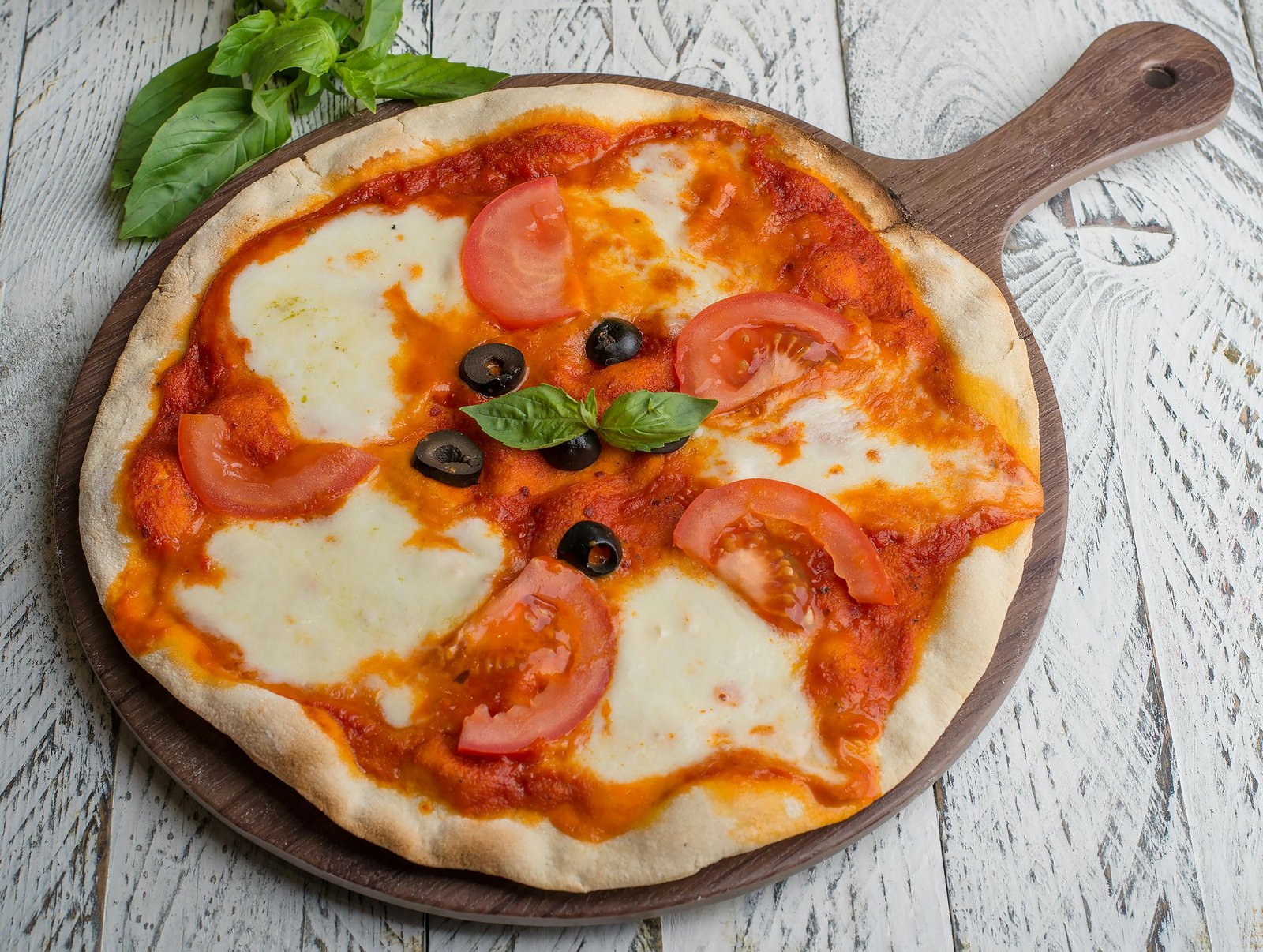
No yeast? No problem.
Most homemade pizza recipes ask you to proof yeast, wait for the dough to rise, and set aside at least an hour before you even think about toppings. But what if you want pizza tonight — right now — without any of that waiting?
This guide shows you exactly how to make homemade pizza dough without yeast using simple ingredients you almost certainly already have in your kitchen. With baking powder doing all the heavy lifting, this dough is ready for the oven in mere minutes — and you can have a fully baked homemade pizza on the table in just 30 minutes.
We will cover the classic baking powder method, a Greek yoghurt version, and a 4-ingredient ultra-simple method — plus every tip you need to get a crispy, delicious crust every single time.
Does Pizza Dough Without Yeast Actually Taste Good?
This is the question everyone asks before trying it — and the honest answer is yes, absolutely.
A no-yeast pizza dough is not just a sad substitute for the real thing. It is truly great — and takes a fraction of the time and effort of traditional yeasted dough.
The texture is slightly different from a classic yeast-risen crust. Homemade pizza dough without yeast will not be as chewy as yeasted pizza dough. Thanks to baking powder, the crust will be soft inside and lightly crisp at the edges, with a thicker, biscuit-like texture.
For most people — especially on a busy weeknight — this trade-off is completely worth it.
What You Need — Ingredients Explained
Method 1 — Classic Baking Powder Dough (Most Popular)
Making pizza crust without yeast comes down to the perfect mix of six simple ingredients:
| Ingredient | Amount | Why It’s Needed |
|---|---|---|
| All-purpose flour | 2 cups | Base of the dough |
| Baking powder | 2¼ teaspoons | Replaces yeast — makes dough rise |
| Sugar | 2 teaspoons | Adds flavour, helps browning |
| Salt | 1 teaspoon | Flavour |
| Warm water | ¾ cup | Binds the dough |
| Olive oil | 2 tablespoons | Adds richness and moisture |
Why baking powder instead of yeast?
Baking powder is activated when mixed with wet ingredients and then again in the oven — creating an airy and tender texture without any rising time required.
The correct combination of baking powder to flour and salt causes the dough to rise in the oven and creates a texture similar to a yeast-based crust.
The Classic No-Yeast Pizza Dough Recipe (Step by Step)
Step 1 — Mix the Dry Ingredients
In a large mixing bowl, whisk together:
- 2 cups all-purpose flour
- 2¼ teaspoons baking powder
- 2 teaspoons sugar
- 1 teaspoon salt
Whisk well to make sure the baking powder is evenly distributed throughout the flour. This is important — uneven distribution means uneven rising.
Step 2 — Add the Wet Ingredients
Add the water and olive oil, and using a spatula, stir together the ingredients until combined.
Mix until a rough, shaggy dough forms. It will look messy at first — that is completely normal.
Step 3 — Knead the Dough
Lightly flour your work surface, then turn out the dough and knead it for about 2 to 3 minutes until it becomes smooth and forms a neat ball.
Do not over-knead — 2 to 3 minutes is enough. Over-kneading makes the crust tough rather than tender.
Pro Tip: If the dough feels too sticky, add flour one tablespoon at a time. If it feels too dry and crumbly, add water one teaspoon at a time.
Step 4 — Rest the Dough (Optional but Recommended)
Let the dough rest for 15 minutes. This short resting time allows the gluten to relax, making the dough much easier to roll out and stretch without it springing back.
You do not need to cover it with cling film — just leave it on the floured surface.
Step 5 — Shape the Dough
Preheat your oven to 475°F (245°C) — or as high as your oven will go. A very hot oven is the key to a crispy pizza crust.
Using a rolling pin, roll the dough into a 12-inch (30 cm) circle about ¼ inch (½ cm) thick.
Tips for shaping:
- Use plenty of flour on the surface and rolling pin to prevent sticking
- Work from the centre outward — push the dough away from you in all directions
- Leave the edges slightly thicker to create a proper crust
- Transfer to a baking tray lined with parchment paper or a lightly oiled pizza pan
Step 6 — Add Toppings and Bake
Add your pizza sauce, cheese, and toppings.
Pro Tip: Brush the edge of the crust with olive oil before baking. This makes the crust nice and golden brown without having to bake so long that it dries out — a common problem with no-yeast pizza crusts.
Bake at 475°F (245°C) for 12 to 15 minutes until the crust is golden at the edges and the cheese is bubbling and lightly browned.
Method 2 — Greek Yoghurt Pizza Dough (Extra Soft and Chewy)
If you want a softer, slightly chewier crust that is closer in texture to traditional pizza dough, replacing the water with Greek yoghurt is a brilliant trick.
Ingredients:
- 1½ cups self-rising flour (or 1½ cups all-purpose flour + 2 teaspoons baking powder + ½ teaspoon salt)
- 1 cup plain Greek yoghurt (full fat for best results)
- 1 tablespoon olive oil
- Pinch of salt
How to make it:
- Mix the flour and yoghurt together in a bowl using a spatula until a dough forms
- Turn out onto a floured surface and knead for 2 to 3 minutes until smooth
- Rest for 10 minutes
- Roll out, add toppings, and bake at 475°F (245°C) for 12 to 14 minutes
Why it works: The acidity in Greek yoghurt reacts with the baking powder to create a light, airy texture. The fat content of the yoghurt also adds a richness that makes the crust taste closer to a traditionally yeasted dough.
Method 3 — 4-Ingredient Ultra Simple Dough (No Baking Powder Either)
This is the simplest possible pizza dough — just four ingredients, no yeast, and no baking powder. It bakes up soft yet satisfying, with a tender inside, lightly crisp edges, and a clean flavour that lets the toppings shine.
Ingredients:
- 2 cups all-purpose flour
- ½ teaspoon salt
- ¾ cup warm water
- 2 tablespoons olive oil
How to make it:
- In a large bowl, combine the flour and salt, then pour in the water and olive oil
- Using a wooden spoon or your hands, mix until a shaggy ball forms
- Knead on a floured surface for 3 to 4 minutes until smooth
- Roll out immediately — no resting time needed
- Bake at 480°F (250°C) for 15 to 17 minutes
This method produces a thin, flatbread-style crust that is crispy throughout. It works beautifully for thin-crust pizza lovers.
Variations and Substitutions
Whole Wheat Version
For a heartier and healthier no-yeast pizza dough, use 1 cup whole wheat flour and 1 cup all-purpose flour instead of 2 cups all-purpose. The crust will be slightly denser and nuttier in flavour.
Gluten Free Version
Use a gluten-free 1-to-1 all-purpose flour in the same amount as called for in the recipe. The texture will be slightly more crumbly but still completely delicious.
Honey Instead of Sugar
Replace the sugar with one tablespoon of honey for a slightly sweeter, more golden crust. Honey also adds a subtle depth of flavour that works beautifully with savoury toppings.
Herb Infused Crust
Add ½ teaspoon each of dried oregano, garlic powder, and dried basil directly into the dry ingredients. This gives the crust incredible flavour even before any toppings are added.
Cheesy Crust
Mix 2 tablespoons of grated Parmesan directly into the dough for a flavour boost throughout the entire crust.
Pro Tips for the Best No-Yeast Pizza Crust
1. Use a very hot oven The hotter the better — 475°F to 500°F (245°C to 260°C) is ideal. A very hot oven creates a crispy base quickly without drying out the toppings.
2. Pre-bake the crust for 3 minutes before adding toppings This is the single best trick for preventing a soggy bottom. Bake the rolled-out dough plain for 3 minutes, then pull it out, add your toppings, and return it to the oven. The pre-baked base holds up much better under sauce and cheese.
3. Do not overload with toppings No-yeast dough is slightly less robust than yeasted dough. Too many wet toppings can make the centre soggy. Keep sauce to a thin layer and use toppings sparingly for the best result.
4. Roll it thin The thinner you roll a no-yeast pizza dough, the crispier it gets. Aim for ¼ inch thick for a good balance of crispy and soft.
5. Brush the edges with olive oil Always brush the exposed crust edges with olive oil before baking. This gives you a beautiful golden-brown edge rather than a pale, dry-looking rim.
6. Use parchment paper Baking on parchment paper makes transferring the pizza to and from the oven much easier — and prevents sticking without needing to over-flour the base.
Best Toppings for No-Yeast Pizza
The beauty of homemade pizza is complete freedom over toppings. Here are some combinations that work particularly well with a no-yeast crust:
Classic Margherita:
- Tomato sauce, fresh mozzarella, fresh basil, drizzle of olive oil
Garlic and Cheese:
- Garlic butter base, mozzarella, Parmesan, fresh parsley
Pepperoni and Mushroom:
- Tomato sauce, mozzarella, pepperoni, sliced mushrooms, oregano
BBQ Chicken:
- BBQ sauce, grilled chicken, red onion, mozzarella, fresh coriander
Veggie Loaded:
- Tomato sauce, mozzarella, bell peppers, olives, sun-dried tomatoes, spinach
White Pizza:
- Olive oil and garlic base, ricotta, mozzarella, spinach, black pepper
How to Store No-Yeast Pizza Dough
Uncooked dough — refrigerator: Wrap the dough ball tightly in cling film and refrigerate for up to 2 days. Let it come to room temperature for 15 minutes before rolling out.
Uncooked dough — freezer: Make an extra batch of dough and put it in the fridge — or freeze individual portions wrapped tightly in cling film and placed in a freezer bag. Frozen dough keeps for up to 3 months. Thaw overnight in the refrigerator.
Baked pizza — refrigerator: Store leftover baked pizza in an airtight container for up to 3 days. Reheat in a hot oven at 375°F (190°C) for 5 to 8 minutes — never microwave it, the crust becomes soft and chewy.
Frequently Asked Questions
Can I make pizza dough without yeast and without baking powder? Yes — Method 3 above uses just flour, salt, water, and olive oil with no leavening agent at all. The crust will be thinner and crispier rather than fluffy, but it is still absolutely delicious.
Why is my no-yeast pizza dough too sticky? Add flour one tablespoon at a time and continue kneading until the stickiness goes away. Humidity and the type of flour used can both affect how much liquid the dough absorbs.
Why is my crust not crispy? The most likely reasons are: oven not hot enough, crust rolled too thick, or too many wet toppings. Make sure your oven is fully preheated to at least 475°F before baking.
Can I make this dough ahead of time? Yes — make the dough, wrap it in cling film, and refrigerate for up to 2 days. This actually slightly improves the flavour as the dough has time to develop.
Is no-yeast pizza dough healthier than regular pizza dough? The ingredients are very similar — both use flour, oil, and salt. The main difference is the leavening agent. Neither is significantly healthier than the other, though whole wheat versions of both add more fibre.
Final Thoughts
Homemade pizza dough without yeast is one of the most useful recipes you can have in your repertoire. It requires no planning, no waiting, and no special equipment — just a bowl, a rolling pin, and 20 to 30 minutes.
Whether you go for the classic baking powder method, the creamy Greek yoghurt version, or the ultra-simple 4-ingredient dough, the result is always a warm, fresh, homemade pizza that beats delivery every single time.
Try it tonight — we guarantee you will make it again and again.