
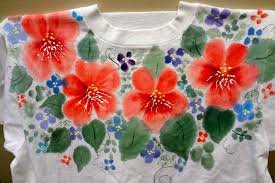
Fabric painting is a vibrant and creative way to express your personality through textiles. Whether you’re looking to revamp an old shirt, customize a tote bag, or add flair to home décor, fabric painting can transform ordinary materials into stunning pieces of art. But before you dive in with your brushes and colors, it’s essential to understand the basics that will ensure your project turns out beautifully.
In this guide, we’ll explore everything you need for successful fabric painting—from the best materials and paints to techniques that guarantee striking results. Ready to unleash your creativity? Let’s get started!
What is Fabric Painting?
Fabric painting is an artistic technique that involves applying color to fabric surfaces. It allows artists and hobbyists alike to create unique designs, patterns, or illustrations on various textiles.
This form of art can be as simple or intricate as you desire. From bold statements to delicate details, the possibilities are endless. You can personalize items like clothing, bags, and home décor with your own flair.
The process typically uses special paints designed for fabrics. These paints bond well with fibers, ensuring longevity and vibrancy in your artwork.
Whether you’re a beginner exploring a new hobby or an experienced artist looking to expand your repertoire, fabric painting offers a rewarding outlet for creativity that brings life to everyday objects. The joy of transforming plain materials into personalized masterpieces is truly unmatched!
Materials Needed for Fabric Painting
To dive into fabric painting, you’ll need to gather some essential materials. Start with high-quality fabric paints. These come in various finishes—matte, glossy, and metallic—allowing for creative expression.
Next, invest in brushes of different sizes. A flat brush is excellent for covering larger areas, while fine-tipped brushes are perfect for intricate details. Don’t forget sponges; they can create unique textures on your canvas.
A palette or tray will help mix colors seamlessly. Also consider a piece of cardboard or plastic to place beneath the fabric to prevent bleed-through during painting.
Grab some water and paper towels for easy cleanup. With these materials ready at hand, you’re well-equipped to unleash your creativity on any textile surface!
Types of Fabric Paints
When diving into fabric painting, understanding the different types of fabric paints is crucial. Each type offers unique benefits suited to various projects.
Acrylic paint is a popular choice for its versatility. It adheres well to most fabrics and dries quickly, making it ideal for both beginners and seasoned artists.
Fabric ink provides a softer finish, perfect for detailed designs or screen printing. It’s often used in t-shirt design due to its flexible nature.
For those who want bold colors that pop, consider using spray fabric paint. This option allows for easy application over large areas and can create stunning gradients.
There are specialized fabric markers that offer precision and control. These are great for fine lines or intricate patterns on smaller pieces.
Each type opens up a world of creative possibilities waiting to be explored.
Choosing the Right Fabric for Painting
Choosing the right fabric is crucial for successful fabric painting. Not all materials are created equal, and the texture can dramatically influence your results.
Cotton is a popular choice due to its absorbency and smooth surface. It holds paint well, making it perfect for detailed designs. Linen also offers a lovely finish but may require more skill due to its looser weave.
Synthetic fabrics like polyester can be tricky. They often resist paint unless treated first. However, when done correctly, they yield vibrant colors that last.
Consider the weight of the fabric too. Lightweight options work well for draping projects while heavier fabrics provide durability for items like bags or upholstery.
Think about the final use of your painted piece. Whether it’s clothing or home decor will guide you in selecting both style and functionality in your chosen material.
Techniques for Fabric Painting
When diving into fabric painting, techniques can elevate your artwork. One popular method is stenciling. This allows you to create consistent designs with ease. Simply place a stencil on the fabric and apply paint using a sponge or brush.
Freehand painting offers another exciting approach. Grab your brushes and let creativity flow without constraints. This technique encourages personal expression, making each piece unique.
If you’re looking for texture, consider using sponges or even crumpled plastic wrap during application. These tools add dimension to your designs that flat brushes can’t achieve.
For those who enjoy precision, try masking tape to outline shapes or patterns before applying color. It keeps lines sharp and clean while preventing unwanted smudges.
Don’t shy away from experimenting with layering colors too! Start with lighter shades and gradually build up darker tones for depth. Each layer adds richness to the final result.
Caring for Your Painted Fabrics
Caring for your painted fabrics is crucial to keep them looking vibrant and fresh. Start by washing them gently. Use cold water and a mild detergent. Hand washing is often the safest option.
When it comes to drying, air dry whenever possible. Hanging your fabric in a shaded area will prevent colors from fading due to direct sunlight exposure. Avoid wringing or twisting the fabric; this can distort its shape and damage the artwork.
Ironing should be done with care too. Always place a thin cloth between the iron and the painted surface to protect it from heat damage.
Store your painted items in a cool, dry place away from moisture and humidity. This simple attention can prolong their life significantly while maintaining their beauty for years to come!
Conclusion
Fabric painting is a vibrant and expressive art form that invites creativity. Understanding the right materials can elevate your projects from simple to stunning. With various types of fabric paints available, choosing the right one for your project can make all the difference.
Selecting appropriate fabrics enhances your artwork’s durability and appearance. Techniques like stenciling, freehand painting, or even tie-dyeing open up a world of possibilities for unique designs. Caring for painted fabrics ensures they remain beautiful wash after wash.
Embarking on this colorful journey requires just a few essential tools and a willingness to explore new ideas. Each brush stroke adds character, breathing life into textiles that tell stories through color and design. Dive into fabric painting with confidence; let your imagination guide you toward remarkable creations!