
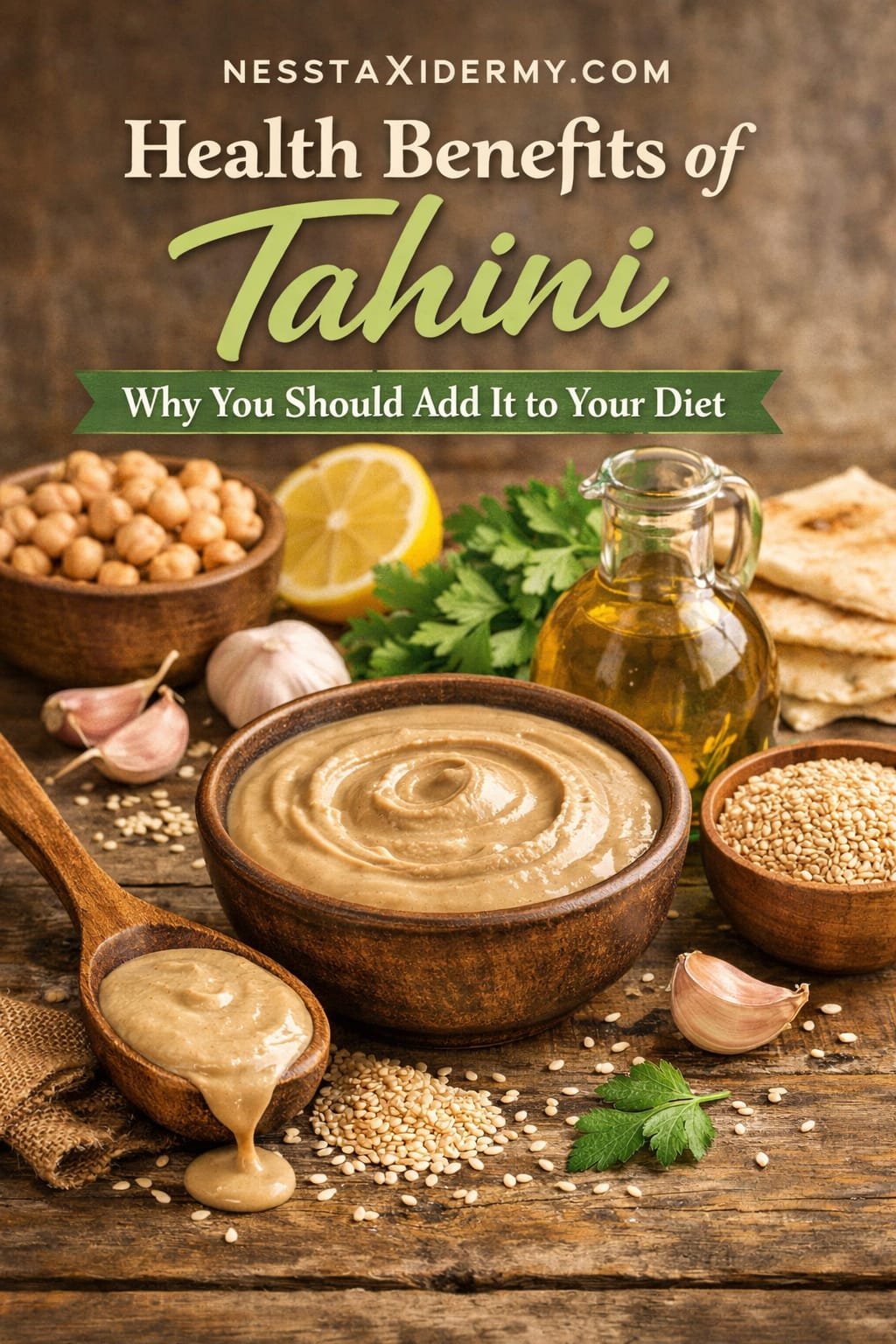
Introduction to Tahini
Tahini is often seen as a humble ingredient, but this creamy paste made from ground sesame seeds packs a powerful punch when it comes to nutrition. Originating from Middle Eastern cuisine, tahini has been winning hearts (and taste buds) around the world with its rich flavor and versatility. Whether drizzled over salads or blended into dips, tahini is more than just a delicious addition; it’s also brimming with health benefits that can enhance your overall well-being. If you’re looking for an easy way to boost your diet, adding tahini might just be what you need. Let’s explore its impressive nutritional profile and discover why this nutty delight deserves a spot in your pantry!
Nutritional Profile of Tahini
Tahini is a powerhouse of nutrition, making it a fantastic addition to any diet. Made from ground sesame seeds, this creamy paste boasts a rich nutrient profile.
It is high in healthy fats, particularly monounsaturated and polyunsaturated fatty acids. These good fats support heart health and help lower bad cholesterol levels.
In terms of protein content, tahini offers a significant boost compared to other spreads. This makes it an excellent option for vegetarians and vegans seeking plant-based protein sources.
Vitamins play a crucial role as well. Tahini provides essential nutrients like vitamin B1 (thiamine) and B6 (pyridoxine). It also contains important minerals such as calcium, magnesium, iron, and zinc that contribute to overall wellness.
With its unique blend of macronutrients and micronutrients, tahini stands out as both delicious and nutritious.
Health Benefits of Tahini:
Tahini offers a treasure trove of health benefits that can enhance your diet.
Rich in healthy fats, it provides energy while supporting brain function and hormone production. These fats are essential for overall wellness.
Heart health is another area where tahini shines. Its high content of unsaturated fatty acids helps lower cholesterol levels, promoting cardiovascular well-being.
For those looking to strengthen their immune system, tahini comes packed with antioxidants and anti-inflammatory properties. It aids the body in fighting off infections and diseases.
Weight management may also benefit from this sesame seed paste due to its satiating nature. Incorporating it into meals can help control hunger and reduce snacking.
Additionally, tahini serves as an excellent source of essential vitamins and minerals like calcium, magnesium, and iron. These nutrients play vital roles in maintaining bone health and boosting energy levels.
A. Rich in Healthy Fats
Tahini is packed with healthy fats, primarily unsaturated fats that are beneficial for your body. These good fats can help reduce bad cholesterol levels, promoting heart health and overall well-being.
The presence of omega-3 and omega-6 fatty acids makes tahini an excellent choice for those looking to enhance their diet. These essential fatty acids play a crucial role in brain function and development.
Incorporating tahini into your meals can provide a satisfying creaminess while nourishing your body at the same time. Unlike trans fats found in processed foods, the healthy fats in tahini support energy levels without harming your cardiovascular system.
Using tahini as part of a balanced diet ensures you’re receiving these vital nutrients. Plus, its rich texture enhances both flavor and nutrition in various dishes—making it a versatile staple you won’t want to miss!
B. Good for Heart Health
Tahini is more than just a tasty addition to your meals; it’s also good for your heart. This creamy paste derived from sesame seeds harbors essential fatty acids that contribute positively to cardiovascular health.
The monounsaturated and polyunsaturated fats present in tahini can help lower bad cholesterol levels. By doing so, it reduces the risk of heart disease and promotes overall heart function.
Moreover, tahini contains magnesium, a mineral crucial for maintaining healthy blood pressure levels. A steady blood pressure contributes to better circulation and less strain on the heart.
Rich in antioxidants, tahini helps combat oxidative stress in the body. This action can further protect against inflammation and other factors that may threaten cardiac health.
Incorporating this nutrient-dense food into your diet could be one delicious way to prioritize your heart’s well-being.
C. Boosts Immune System
Tahini is not just a delicious addition to your meals; it also plays a role in enhancing immune function. Packed with antioxidants, tahini helps combat oxidative stress in the body. This can lead to improved overall health.
Sesame seeds, from which tahini is made, contain zinc and copper—two vital minerals for immune support. Zinc is known for its ability to assist in the development of immune cells, while copper aids in maintaining healthy blood vessels and nerve cells.
Moreover, tahini’s high levels of vitamin E contribute further to its immunity-boosting properties. Vitamin E acts as an antioxidant that protects against cell damage and supports the body’s defense mechanisms.
Incorporating tahini into your diet may help you stay healthier during cold season or when you’re feeling run down. Its unique blend of nutrients makes it a smart choice for those looking to strengthen their immunity naturally.
D. May Aid in Weight Loss
Tahini may be a surprising ally in your weight loss journey. This sesame seed paste is packed with healthy fats that can help keep you feeling satisfied longer. Unlike processed snacks, tahini provides sustained energy without the crash.
Incorporating tahini into meals can also curb cravings. It adds creaminess and flavor to dishes while contributing essential nutrients. This makes it an excellent choice for those looking to manage their calorie intake effectively.
Moreover, the fiber content in tahini supports digestive health, which is crucial when trying to lose weight. A well-functioning digestive system aids in nutrient absorption and metabolism.
When paired with other nutritious foods, tahini becomes a powerful tool for maintaining a balanced diet while working towards your fitness goals. Its versatility makes it easy to enjoy without sacrificing taste or nutrition.
E. Source of Essential Vitamins and Minerals
Tahini is a powerhouse of essential vitamins and minerals that can enhance your overall health. This creamy spread packs a punch with nutrients like vitamin B1, which plays a crucial role in energy production.
Additionally, tahini contains significant amounts of calcium. This mineral is vital for strong bones and teeth, making it an excellent option for those looking to boost their dietary intake.
Another notable nutrient found in tahini is magnesium. It supports various bodily functions, including muscle relaxation and nerve function.
Iron also makes an appearance in this delicious paste. It’s important for transporting oxygen throughout the body and preventing fatigue.
With its rich nutritional profile, incorporating tahini into your meals not only adds flavor but also provides valuable nutrients essential for maintaining good health.
Ways to Incorporate Tahini into Your Diet:
Tahini is incredibly versatile and can easily enhance your meals. One of the simplest ways to enjoy it is as a spread or dip. Spread tahini on toast, drizzle it over whole-grain wraps, or mix it into hummus for added creaminess.
You can also elevate your salads by adding tahini-based dressings. Combine tahini with lemon juice, garlic, and olive oil for a zesty dressing that complements any green salad.
For those who love marinating proteins, try incorporating tahini into your marinades. It adds richness and depth to chicken or tofu before grilling or roasting.
Even desserts can benefit from this nutty paste! Stir it into smoothies for an extra dose of nutrition or blend it into energy balls for a healthy snack option. The possibilities are endless when you let this ingredient shine in your diet.
A. As a Spread or Dip
Tahini makes a fantastic spread or dip that can elevate any meal. Its creamy texture and nutty flavor create a delightful contrast in taste when paired with fresh vegetables or pita bread.
Try spreading tahini on whole-grain toast for a nutritious breakfast option. Top it with sliced bananas or drizzles of honey for an extra touch of sweetness.
You can also use tahini as a dip for crunchy veggies like carrots, cucumbers, and bell peppers. This provides not only great flavor but also essential nutrients.
For those who enjoy experimenting in the kitchen, blend tahini with spices like garlic powder or cumin to craft a zesty dip that’s perfect for entertaining guests at your next gathering.
The versatility of tahini truly shines here—it offers endless possibilities while ensuring you maintain healthy eating habits without sacrificing taste.
B. In Salad Dressings or Marinades
Tahini isn’t just a star on its own; it can transform your meals in various ways. One of the best uses for tahini is as an ingredient in salad dressings or marinades. Its creamy texture and nutty flavor add depth to any dish.
To create a simple tahini dressing, mix tahini with lemon juice, garlic, and water until smooth. This blend creates a tangy sauce that elevates salads, roasted vegetables, or grain bowls. You can also experiment by adding ingredients like honey or soy sauce for added sweetness or savory notes.
For marinades, combine tahini with olive oil, herbs, and spices to coat meats or tofu before grilling or baking. The result is tender protein infused with rich flavors.
With so many benefits packed into this versatile paste made from ground sesame seeds—there’s no reason not to give tahini a spot on your plate! Embracing this nutritious food could be one of the easiest decisions you make for your health today.