
Introduction to Bees
Bees are fascinating creatures that play a vital role in our ecosystem. Among the many types of bees, polar bees and traditional honeybees stand out for their unique adaptations and behaviors. While most people know about the familiar buzzing honeybee, polar bees offer an intriguing glimpse into how species can evolve to thrive in extreme environments.
These resilient insects have developed distinct characteristics that set them apart from their more well-known counterparts. Understanding these differences is not just a matter of curiosity; it has significant implications for biodiversity and conservation efforts.
Join us as we explore the world of polar bees versus traditional honeybees, uncovering what makes each group special while highlighting their importance to our planet’s health. Whether you’re a nature enthusiast or simply curious about these incredible pollinators, this journey will open your eyes to the wonders of bee diversity.
Differences in Habitat and Climate Adaptation
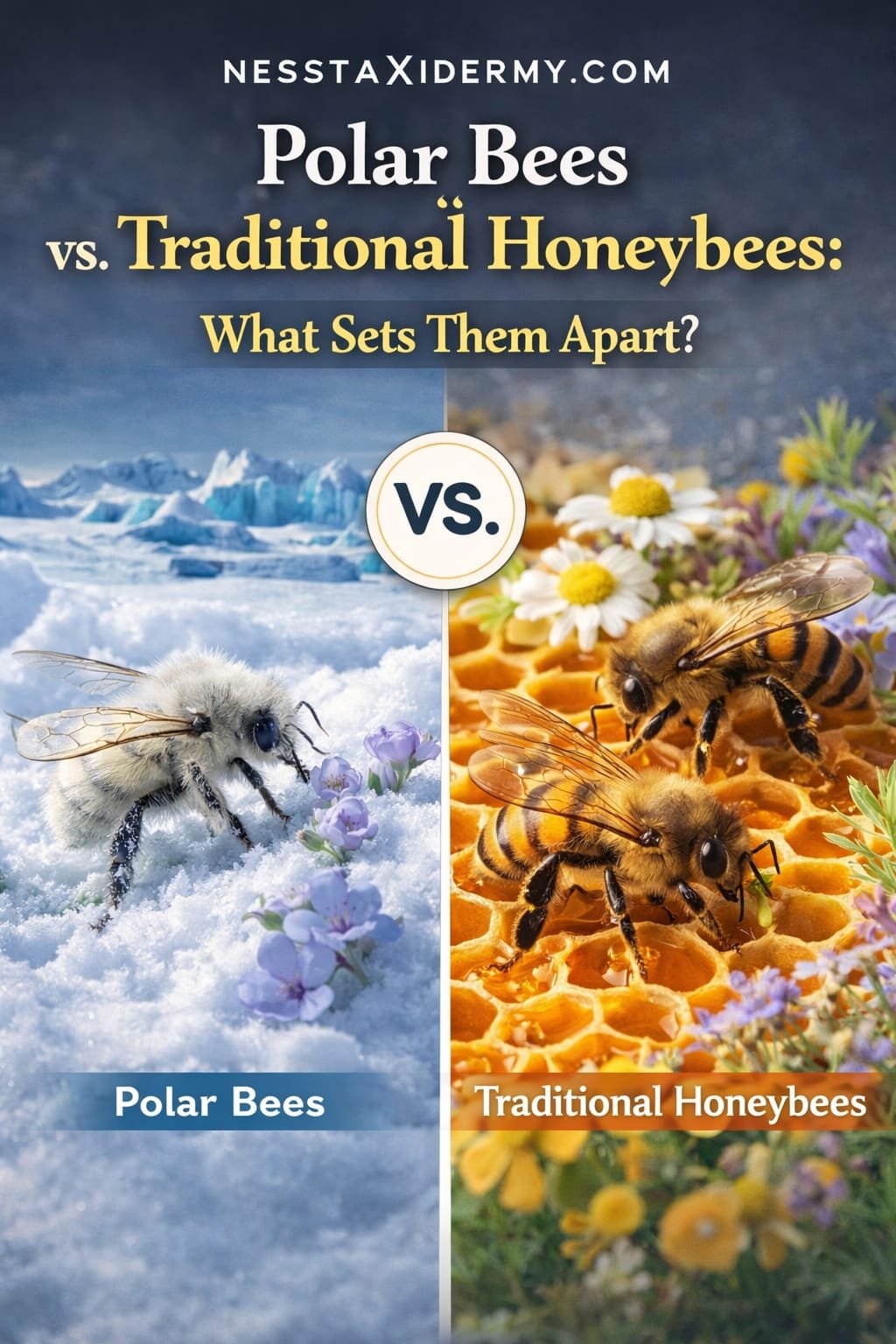
Polar bees thrive in some of the harshest climates on Earth. They are specially adapted to survive frigid temperatures and long winters. These resilient insects often make their homes in tundra regions, where they can find shelter in snow-covered nests.
In contrast, traditional honeybees prefer warmer climates. They flourish in temperate zones around the world, building hives that protect them from rain and wind. Their habitats usually consist of flowering plants abundant during spring and summer.
The differences in habitat directly influence their behaviors. Polar bees may have shorter foraging periods due to extreme weather conditions, while honeybees enjoy longer seasons filled with diverse blooms.
This variation affects not only survival but also reproduction cycles. The ability to adapt helps polar bees endure unforgiving environments, whereas honeybees rely on milder temperatures for thriving colonies.
Unique Characteristics of Polar Bees
Polar bees have fascinating adaptations that set them apart from their traditional counterparts. These resilient insects thrive in harsh, cold environments where temperatures can plummet. Their ability to withstand extreme weather is truly remarkable.
One unique characteristic of polar bees is their dense fur. This fluffy coat not only provides insulation but also helps them retain heat while foraging in frigid conditions.
Additionally, polar bees exhibit a slower metabolism during winter months. They enter a state similar to hibernation, conserving energy until warmer days arrive.
Their nesting habits are equally intriguing. Instead of traditional hives, many polar species nest underground or utilize crevices in rocks and ice for protection against the elements.
These adaptations make polar bees vital pollinators in Arctic and sub-Arctic ecosystems where flora has adapted to survive under severe climatic conditions. Without them, these delicate habitats would struggle to flourish.
Unique Characteristics of Traditional Honeybees
Traditional honeybees, primarily the Apis mellifera species, are remarkable insects known for their complex social structures. These bees live in colonies that can number in the thousands. Each member plays a specific role, from workers to drones to queens.
Their communication is fascinating. Honeybees perform intricate dances to convey information about food sources and hive conditions. This dance language is essential for colony survival and efficiency.
Another unique aspect of traditional honeybees is their ability to produce diverse types of honey. The flavor and color vary based on nectar sources, creating rich varieties like clover or wildflower honey.
Adaptability stands out as well; they thrive in various climates around the world. Honeybees have become crucial pollinators for countless crops, contributing significantly to global agriculture and biodiversity efforts. Their resilience makes them key players in maintaining ecosystem balance across many regions.
Comparison of Pollination Methods
Polar bees and traditional honeybees employ distinct strategies for pollination, influenced by their unique environments.
Polar bees are adapted to colder climates. They have evolved to be active during shorter growing seasons. Their ability to forage in lower temperatures makes them essential for early-blooming plants in tundra regions.
On the other hand, traditional honeybees thrive in warmer conditions. They are known for their intricate communication methods, using dances to convey information about food sources. This social structure enhances efficiency in pollination across vast areas.
The differences don’t stop there. Polar bees tend to focus on a narrower range of flora due to habitat limitations, while honeybees visit a diverse array of flowers. This variety helps maintain biodiversity but also means that honeybee populations can face more significant threats from environmental changes.
Each bee plays its role in sustaining plant life, reflecting nature’s complexity and interdependence.
Production and Benefits of Honey from Both Types of Bees
Polar bees and traditional honeybees both produce honey, but their methods and benefits vary significantly.
Traditional honeybees are known for their large-scale production capabilities. They create sweet, rich honey that is enjoyed worldwide. This versatile product has numerous culinary uses and health benefits. It’s loaded with antioxidants and can soothe sore throats or boost energy levels.
On the other hand, polar bees craft a unique type of honey suited to cold environments. Their production volume may be lower due to harsher climates, yet this honey often contains distinct flavors from local flora.
Both types of honey provide nutrients essential for human health, though the specific profiles differ. Polar bee honey might offer compounds beneficial for those exposed to colder temperatures while traditional varieties support broader dietary needs around the globe.
Each type contributes uniquely to our diets and ecosystems through their specialized adaptations in producing nature’s golden liquid.
Environmental Impact and Conservation Efforts for Both Types of Bees
Bees play a crucial role in our ecosystems, and their environmental impact is profound. Polar bees thrive in harsh climates, helping to pollinate native flora that survives in colder regions. Their unique adaptations allow them to support biodiversity where few other insects can.
In contrast, traditional honeybees are essential for agricultural production worldwide. Their pollination services boost crop yields and enhance food security. However, both types of bees face threats from climate change, habitat loss, and pesticide use.
Conservation efforts are underway for both species. Organizations focus on creating habitats that support bee populations while educating communities about sustainable practices. Planting native flowers benefits polar bees by providing necessary resources year-round.
Traditional honeybee initiatives often involve beekeeping training programs aimed at promoting ethical practices among farmers and hobbyists alike. By supporting these conservation efforts, we contribute to the survival of these vital creatures that sustain our environment.
Conclusion: Which Bee is Right for You?
Choosing between polar bees and traditional honeybees ultimately depends on your environmental goals, gardening needs, and personal preferences. If you live in colder climates or are looking to support biodiversity in harsher environments, polar bees may be the better option for your garden. Their unique adaptations allow them to thrive where other species might struggle.
On the other hand, if you’re primarily focused on honey production and pollination of a wide variety of plants, traditional honeybees are likely your best bet. Their efficiency as pollinators is well-documented, and their ability to produce large quantities of honey can benefit both hobbyists and commercial operations.
Both types of bees play crucial roles in our ecosystems. Supporting either group can contribute positively to local flora and fauna while also enhancing sustainable practices. Whether you choose polar bees or traditional honeybees, understanding their characteristics will help you make an informed decision that benefits not just you but the environment as well.